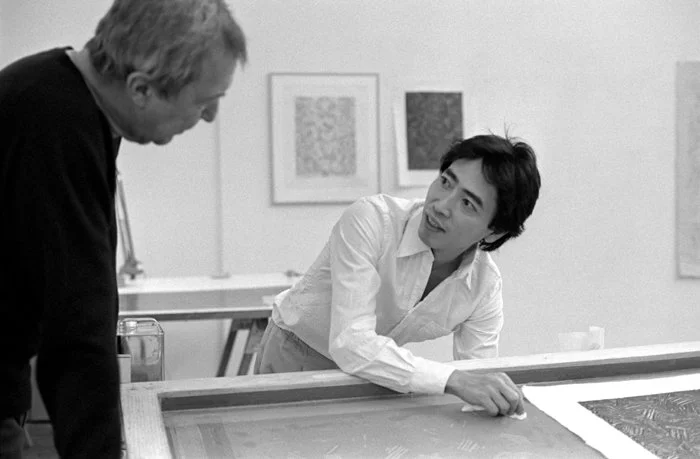
3 FILMS: JASPER JOHNS AND SIMCA PRINT ARTISTS
with Hiroshi Kawanishi, Takeshi Shimada and Kenjiro Nonaka, printers
Alright, Katy Martin, who made two incredible Jasper Johns films in the late 1970s when you were practically a kid. Uh, actually, yeah, that’s about it. Just watch them.”
CLICK ON EACH IMAGE TO VIEW THE FILM
BRAND NEW - JUST COMPLETED IN 2026
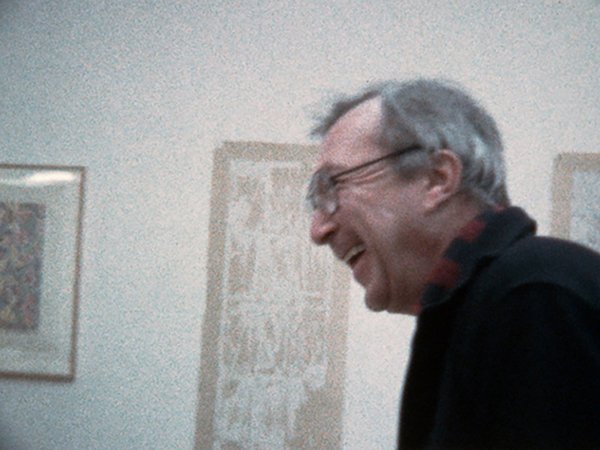
This film is created from newly restored footage of Jasper Johns, collaborating with Simca Print Artists, that I shot years ago in Super 8mm film. Much of the footage was unusable at the time due to technical problems I couldn’t correct for in film. Now, with digital, those are easy to fix and that opened up a new set of possibilities.
In editing this film, I could revisit and review the art making process that I documented back then. In a voiceover narrative, I locate myself - then and now - within what for me was a formative experience. I also talk about Jasper's process as we watch it play out in relation to the prints they are making.
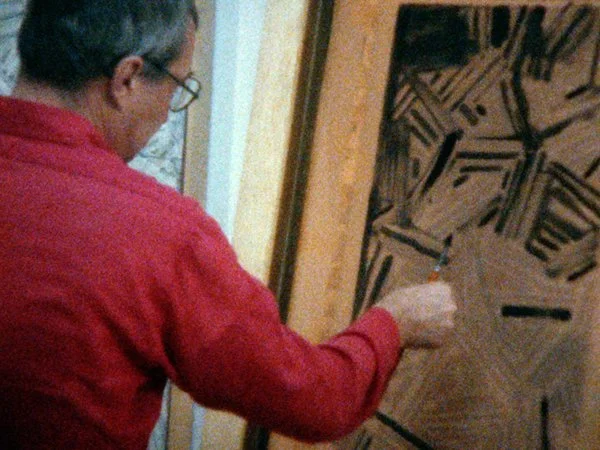
HANAFUDA observes the artist, Jasper Johns, and the master Japanese silkscreen printers at Simca Print Artists, as they created three different images from Johns USUYUKI and CICADA series. For me, the camera was a pretext for an in-depth apprenticeship. The finished film recapitulates my process of learning, gleaned over time, as I watched Johns and the printers at work. What I wanted to know was how one generates a work of art and, for that matter, what is art, what work is involved, and how do ideas as opposed to physical labor drive the decision making process.
SILKSCREENS follows the choreography of printmakers at work, pulling the edition of Johns' print, THE DUTCH WIVES. It was filmed at Simca Print Artists in New York. I got the notion of repetitive labor as a form of dance from the French painter, Edgar Degas. No doubt, I was also influenced by minimalism with its impetus to integrate normal, workaday movements into fine art. For the sound track, I worked with the musician, Richard Teitelbaum. We used ambient sounds from the print shop and the street outside to reflect the kind of hearing that you experience as you work, when sounds float in and out of consciousness.